Start with free containers
Clean yoghurt tubs, plastic food containers and toilet roll tubes can all be used to raise seedlings, provided they have drainage holes. You can also use cardboard egg cartons, although their small compartments can dry out quickly.
You'll need a bag of seed-raising mix, which is designed to give seeds the moisture and drainage they need to get growing.
Pick your moment
Autumn and spring are good times to sow many garden flowers, although the best time depends on the variety and the weather.
Sweet peas, pansies and poppies are generally sown in autumn, while marigolds, zinnias, cosmos and sunflowers are usually sown in spring. Hot weather can make it harder to establish young seedlings, so check your seed packet for the best sowing time for each variety.
Sowing your seeds
- Prepare the mix. Dampen the seed-raising mix until it's moist but not soggy.
- Fill your containers. Leave a little room at the top for watering.
- Sow your seeds. Follow the packet instructions for how deep to plant them. Some small seeds need little or no covering.
- Water gently. Use a spray bottle or a gentle flow of water to avoid washing the seeds away.
- Label your containers. Write the flower name and sowing date on a plant label or an icy pole stick.
- Keep the mix moist. A clear lid or loose plastic cover can help stop it drying out, but remove the cover when seedlings appear.
- Find a bright spot. Keep your containers somewhere bright, away from harsh direct sun that could overheat them.
Check your containers regularly and follow any extra instructions on the seed packet.
Looking after your seedlings
Seedlings need a little attention while they're getting established.
- Check the moisture. Small containers dry out quickly, so check them daily and water when needed.
- Don't overwater. The mix should be moist, not waterlogged.
- Thin out crowded seedlings. If several seedlings grow together, snip off the weaker ones at soil level with clean scissors.
- Give them room to grow. If seedlings outgrow their containers before they're ready for the garden, move them into larger pots.
Ready for the garden
Young seedlings start with a pair of seed leaves, followed by true leaves that look more like the plant's usual foliage.
The right time to plant them out depends on the variety, but look for healthy, established growth. Before moving them into the garden, gradually get them used to outdoor conditions over about a week. Start in a sheltered spot and slowly increase their exposure to sunlight and wind.
Choose a mild day for planting, water them in gently and keep the soil moist while their roots settle in.
Giving seedlings a good start
Sandy soil drains quickly, making it harder to hold onto water and nutrients, but a few simple steps can help.
- Improve the soil. Mix compost or well-rotted manure into the planting area to help retain moisture and nutrients.
- Try a wetting agent. If water struggles to soak into the soil, a suitable soil wetting agent can help. Follow the instructions on the label.
- Plant in mild weather. Late afternoon or an overcast day can help reduce stress on young plants.
- Add mulch. Once your seedlings are established, spread mulch around them to help keep the soil moist. Keep it away from the stems.
If you use sprinklers, check your local watering roster and follow the permitted days and times. Domestic garden bore users may also be subject to watering restrictions. Check the Water Corporation website for your watering days and current rules.
No garden bed? No problem. Many flowers grow happily in pots and troughs, provided they have drainage holes and enough room for their roots.
Flowers to grow from seed
Looking for a few easy ways to add colour? These flowers are worth a try.
- Sweet peas: Sow in autumn and give climbing varieties a fence or trellis to grow on.
- Marigolds: Sow in spring for cheerful colour during the warmer months.
- Sunflowers: Sow in spring, preferably straight into the ground or a large pot.
- Dahlias: Bedding varieties can flower in their first year when grown from seed, making them a good budget-friendly option.
- Cosmos: Sow in spring for an easy splash of colour.
- Forget-me-nots: Sow in autumn and choose a spot with some shade.
- Lavender: Takes longer to grow from seed and can be slow to germinate, so patience is needed.
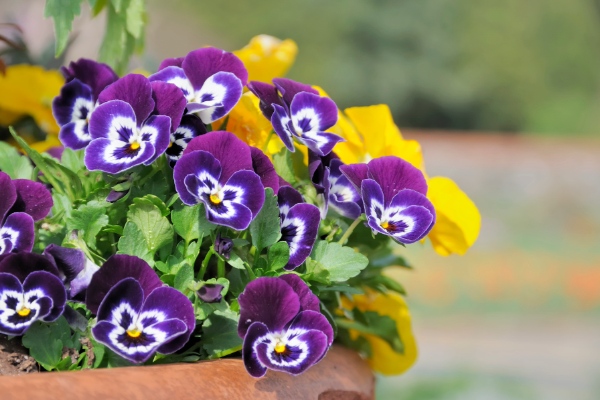
- Pansies: Sow in autumn for colour through the cooler months.
- Zinnias: Sow in spring for bright flowers that cope well with warm weather.
- Poppies: Sow in autumn where you want them to grow, as they don't like being moved.
Always check the seed packet for variety-specific growing advice.
Keep the seeds coming
Here's the best part: you may never need to buy seeds for some of your favourite flowers again.
Let a few flower heads dry on the plant, then collect the seeds and store them in labelled paper envelopes in a cool, dry place. Marigolds, cosmos, zinnias, sunflowers and poppies are all worth trying.
Swapping seeds with friends and family is another easy way to try new flowers without spending a cent.