Find the perfect spot
When it comes to indoor plants, where you put them can make all the difference, so before you bring one home, think about:
- how much natural light the chosen spot gets
- whether it receives strong direct sunlight
- whether it's exposed to air conditioning
- how much room the plant will have to grow
- how quickly the potting mix is likely to dry out
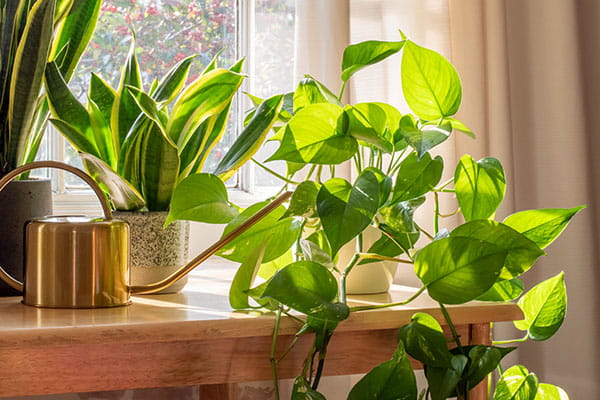
A bright room doesn't necessarily mean a plant should sit right beside the window. Strong sunlight through glass can scorch some foliage, while a spot that's too dark can leave a plant looking sparse.
Not sure what will work? Start with a few easy-going, bullet proof indoor plants that are happy with the basics and can handle a bit of neglect. Your local garden centre can help you choose plants that suit the conditions in your home.
Give new plants time to settle in
Plants coming home from a nursery can take a little while to adjust. The light, temperature, watering routine and airflow may all be different, so don't be concerned if a new plant takes a few weeks to settle in.
Keep an eye on new plants during this time. If the leaves start looking stressed, check the light and watering first. Moving the plant to a more suitable position, or to a sheltered outdoor spot in full shade for a short time, may be all that's needed to help it recover.
Keeping your indoor plants healthy
Every plant has its own needs, so it's worth keeping the care label that comes with it. A few general tips can help:
- Check the potting mix before watering rather than watering on a fixed schedule. Many indoor plants prefer the top layer to dry out between waterings, although some need more consistent moisture.
- Don't let pots sit in water, as this can lead to root problems.
- Plants in warm, bright positions may dry out faster than those in cooler or darker spots.
- Keep plants away from strong blasts of air conditioning, which can dry out sensitive foliage.
- Feed plants according to the fertiliser directions.
- Check regularly for pests such as scale and mealybugs.
- Give dusty leaves a gentle wipe now and then. They'll look better, and clean leaves can make better use of the available light.
Why not try:
Kentia palm (Howea forsteriana) - brings a relaxed, tropical feel indoors without demanding much attention. Its graceful, arching fronds add height and work well in larger spaces, while the plant adapts to a range of indoor light conditions. It's a good choice when you want something substantial without having to spend a lot of time looking after it.
Cast iron plant (Aspidistra elatior) - has earned its reputation as one of the tougher indoor plants around. It copes with lower light and less frequent watering than many other varieties, making it a practical choice for a spot that doesn't receive much sunshine. Its long, dark green leaves also give it a simple, classic look that works with all sorts of interiors.
Spider plant (Chlorophytum comosum) - easy to grow, with long, arching leaves that look particularly attractive in hanging pots or on shelves. Spider plants do well in bright, indirect light but can also tolerate less. Once established, they produce little plantlets on long stems, which can be left attached for a full, cascading display or potted up to grow new plants.
Boston fern (Nephrolepis exaltata) - with its mass of soft, feathery fronds, the Boston fern adds plenty of greenery without taking up much floor space. It prefers bright, indirect light and likes its potting mix to remain consistently moist. It can be a little more demanding than some of the tougher plants on this list, particularly if the air inside your home is dry, but its lush foliage makes it worth the effort.
African violet (Saintpaulia) - if you'd like a splash of colour rather than just green foliage, African violets are worth considering. They're compact enough for a windowsill or shelf and can produce flowers throughout the year when they're happy. Give them bright, indirect light and take care when watering, keeping water off the leaves and avoiding leaving the pot sitting in water.
Whether you're filling a single corner or slowly building a collection, choosing plants that suit your home's conditions gives you the best start. The varieties above are suitable choices for homes where children and pets are part of the household, so you can enjoy a bit more greenery without choosing plants with known toxicity concerns.
Start with a couple that suit the light and space you have, see how they go, and build your indoor garden from there. If you have pets or small children at home, always check that your chosen plants are suitable for where they will be positioned in your home.