Why soft bristles are best
It might seem logical that firmer bristles would give your teeth a more thorough clean, but harder isn't necessarily better. A soft-bristled toothbrush can remove plaque effectively while helping to minimise the risk of damaging your gums and tooth surfaces.
The Australian Dental Association recommends using a soft-bristled toothbrush and brushing gently. Too much pressure can contribute to gum recession and wear on tooth surfaces, particularly when combined with an abrasive brushing technique.
Soft bristles are also a good option if your gums are easily irritated. The aim is to clean your teeth and along the gumline without being unnecessarily rough.
What about medium and firm bristles?
Medium and firm bristles might feel as though they're giving your teeth a more vigorous clean, but that doesn't necessarily mean better results. Harder bristles can be more abrasive, particularly if you brush with excessive pressure, increasing the risk of damage to your gums and teeth.
For everyday brushing, soft bristles are the recommended option. If you've been using a medium or firm toothbrush for years, there's no need to panic. Simply consider switching to a soft-bristled brush when it's time for a replacement.
Finding a toothbrush that suits you
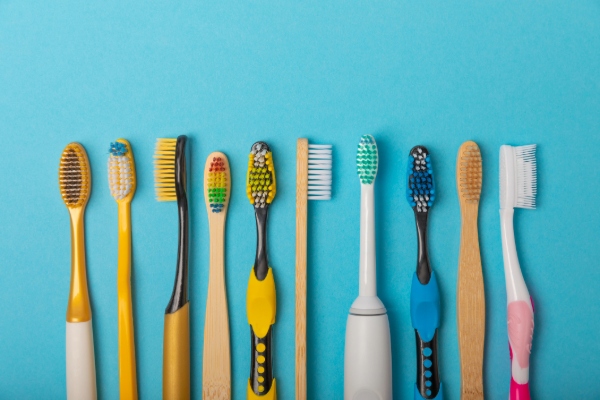
Beyond bristle softness, look for a toothbrush with a head small enough to reach the back teeth comfortably. Both manual and electric toothbrushes can clean effectively, so choose one you're comfortable using consistently.
An electric toothbrush may be helpful if you find it difficult to manoeuvre a manual brush or control your brushing technique. Your dentist can advise you on which option best suits your needs.
A few simple brushing habits
Brush twice a day for two minutes using fluoride toothpaste, with gentle movements that clean the outer, inner and chewing surfaces of your teeth.
Replace your toothbrush or electric toothbrush head every three months, or sooner if the bristles become worn or spread apart. A worn brush may not clean as effectively as one in good condition.
Brushing also doesn't clean every space between your teeth, so include floss or another suitable interdental cleaner in your daily routine.
When choosing a toothbrush, opt for soft bristles. Combined with gentle brushing and a consistent daily routine, they help keep your teeth and gums healthy.