What's in, what's out
Your FOGO bin is now for food organics, garden organics and certified compostable caddy liners only.
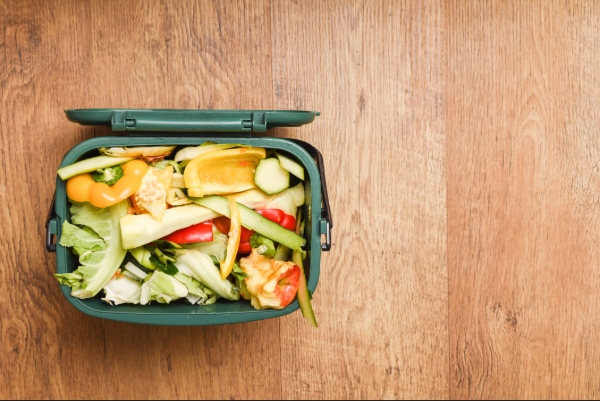
Food organics include:
- Fruit and vegetable scraps
- Meat
- Seafood
- Bread
- Dairy
- Eggshells
- Loose tea leaves
- Loose coffee grounds
- Dinner plate scrapings
- Out-of-date unpackaged food.
Garden organics include:
- Grass clippings
- Plant cuttings
- Leaves
- Flowers
- Weeds
- Small branches and twigs
What needs to move to a different bin
- Tissues, paper towels, pizza boxes, tea bags and shredded paper should now go in the red-lidded general waste bin.
- Animal droppings, including pet poo and kitty litter, also belong in general waste as a precaution. These materials can carry parasites and pathogens that may not be reliably destroyed during composting.
- Newspaper is no longer accepted as a caddy liner either. Instead, switch to a certified compostable liner carrying the AS 4736 seedling logo or go liner-free and simply rinse your caddy after each use.
Why the change
The update is designed to keep the accepted list simple, making sorting easier and helping produce cleaner, higher-quality compost. It was developed collaboratively through WALGA's Consistent Communications Collective, with local government, the waste industry and State Government representatives.
Part of the reasoning comes down to PFAS. These chemicals can be present in some paper-based products and food packaging, don't break down easily and can affect compost quality.
Where things go now
There are three simple streams to remember:
- The FOGO bin for food scraps, garden waste and certified compostable caddy liners
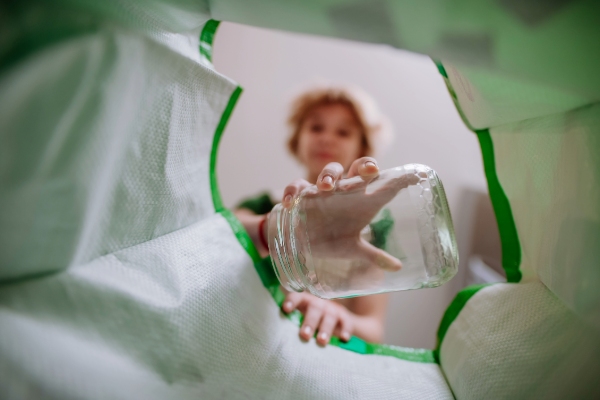
- The recycling bin for clean paper and cardboard, steel and aluminium cans, plastic bottles and containers, and glass bottles and jars
- The general waste bin for soft plastics, animal droppings, nappies and soiled paper or cardboard.
Tackling a fuller general waste bin
Some households may notice a small increase in what ends up in their general waste bin. Many local governments offer waste-avoidance programs and rebates that can help.
If you have additional needs due to medical requirements, nappies or household size, it's worth contacting your local government directly, as support options vary between areas.
A few odour-busting tips
Letting hot food cool before adding it to your caddy can help reduce excess moisture. Draining liquid from scraps where possible can make a difference too.
A light sprinkle of bicarbonate of soda in the caddy or bin can help absorb moisture and smells. Freezing particularly wet scraps until closer to collection day is another handy option during warmer weather.
Still unsure about an item?
If you're ever stuck, the Recycle Right A-Z tool can tell you which bin an item belongs in. You can also check with your local government directly, as local collection arrangements can vary.
Source: Waste Authority WA, "Towards cleaner compost" — wasteauthority.wa.gov.au/about/view/towards-cleaner-compost