It might not seem like much on its own, but when lots of people make small changes every day, the benefits can really add up. Here are some facts that might inspire you to keep going!
Plastic bottles
Recycling plastic bottles helps conserve the raw materials and energy needed to make new plastic products. It also means less plastic ends up in landfill or as litter in the environment. Whenever possible, choosing products with less packaging and recycling accepted plastic containers can help. It’s worth checking your local council’s recycling guidelines, as not all plastics can be recycled through kerbside collections.
Aluminium
Aluminium cans are one of the great recycling success stories. Recycling aluminium uses around 5% of the energy needed to produce new aluminium from raw materials. That’s a huge energy saving! Aluminium can also be recycled over and over without losing its basic properties, so recycling your empty drink cans is just one simple way to help conserve valuable resources.
Clothing
Did you know it takes approximately 2,700 litres of water to produce one cotton T-shirt? That’s a lot of water for just one item of clothing! Buying fewer clothes, choosing quality over quantity and looking after the clothes you already own can all help reduce waste. Buying second-hand, repairing damaged items or passing unwanted clothing on to someone who can use it are other options. Avoiding fast fashion is another way to make a difference.
Food waste
Food waste is a major contributor to the rubbish we send to landfill. When food scraps break down in landfill without enough oxygen, they can produce methane, a powerful greenhouse gas that contributes to climate change. Composting suitable food scraps at home is one way to keep them out of landfill and turn them into something useful for your garden. If you don’t have room for a compost bin, your council may offer a food and garden organics collection service.
Bottled water
Choosing tap water instead of bottled water can help reduce plastic packaging and the environmental impact associated with manufacturing and transporting bottled water. A reusable water bottle is a handy alternative at home, in the car or when you’re out and about. It’s a simple habit that can save money as well as reduce waste.
Paper and cardboard
Recycling paper and cardboard helps save resources, reduces the need for virgin materials and keeps useful items out of landfill. In Australia, approximately 55% of paper and cardboard waste was recovered in 2024–25. There’s still plenty of room for improvement, so recycling accepted paper and cardboard items is a worthwhile everyday habit. Just make sure they’re clean and dry, as food-soiled paper and cardboard may not be suitable for recycling.
6 simple ways to reduce your waste
Making a few small changes around the home can be a great way to reduce waste without turning your daily routine upside down. You might already do some of these things, or perhaps there’s a new idea you’d like to try. Even the smallest changes can make a difference!
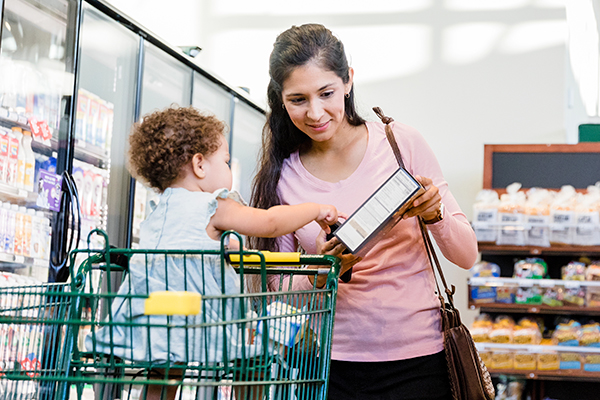
- Plan meals around what you already have. A quick look through the fridge, freezer and pantry before shopping can help you use up ingredients that might otherwise go to waste. A simple meal plan and shopping list can also make supermarket trips easier and help save money. Freezing leftovers for another day is another handy option.
- Look for ways to avoid soft plastics. When shopping, you might like to choose products with less packaging, buy loose fruit and vegetables or look for alternatives to individually wrapped items. Soft plastics aren’t generally accepted in kerbside recycling bins, so it’s worth checking whether there are suitable collection options in your area.
- Give reusable shopping bags another outing. Keeping a few bags in the car or near the front door can make them easier to remember when heading out. Fold-up bags are also handy to keep in a handbag or backpack for unexpected shopping trips. And there’s no need to buy lots of new ones if you already have reusable bags at home!
- Consider trying soap and shampoo bars. Bars of soap often use less packaging than liquid soap in plastic bottles. Shampoo and conditioner bars are another option that some households enjoy, and they can be particularly useful when travelling. It’s an easy change to consider next time you’re running low on your usual products.
- Choose loose fruit and vegetables when available. Buying loose produce can help reduce unnecessary packaging and means you can choose exactly how much you need. Reusable produce bags are another option if you prefer to keep your fruit and vegetables together while shopping.
- Give rechargeable batteries a go. Rechargeable batteries can be used many times, making them a useful alternative to single-use batteries for household items such as toys and remote controls. When batteries reach the end of their life, they should be taken to an appropriate collection point rather than your kerbside bins.
Make a few everyday swaps. Recycled paper products, such as toilet paper and tissues, are worth considering when you’re next shopping. If you enjoy takeaway coffee, taking a reusable cup along is another small way to reduce disposable packaging. Even remembering it occasionally is a start!
Reducing waste is just one part of living more sustainably. Small changes such as switching off unused lights, walking or cycling for shorter trips and using public transport where practical can all help.
Remember: There’s no need to change everything at once. You might already be doing more than you realise. Pick up a new idea when it suits your household and enjoy the satisfaction of making small changes that add up!
Sources: DCCEEW National Waste and Resource Recovery Report 2026