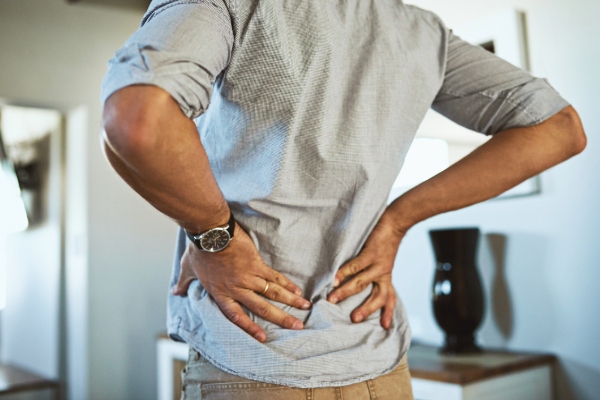
Looking after your bones is important at every age. From our 30s onwards, more bone is broken down than rebuilt, gradually making bones weaker over time. For some people, this can lead to osteoporosis, a condition that causes bones to become fragile and more likely to break, even after a minor fall or injury.
The good news is that there are simple ways to help keep your bones healthy – whether you're building good habits for the future or looking to protect your bones as you get older.
Eat calcium-rich foods
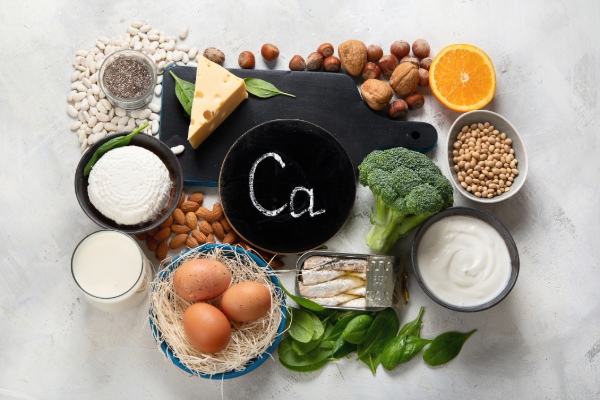
Calcium is one of the main building blocks of our bones, making it an important part of a bone-friendly diet. Aim to include at least three servings of calcium-rich foods each day.
Milk, cheese and yoghurt are familiar sources, but they're not your only options. Almonds and firm tofu can also help you get more calcium into your diet. Including plenty of fruit and vegetables can help add variety to your meals.
If you're watching your fat intake, choosing reduced-fat milk and cheese won't reduce the amount of calcium you get. If you're unsure whether your diet provides enough calcium, speak to your doctor or a dietitian for advice.
Get enough vitamin D
Calcium needs a helping hand, and that's where vitamin D comes in. It helps your body absorb calcium from food, supporting strong, healthy bones.
For many Australians, sunlight is the main source of vitamin D. How much sun exposure you need depends on factors such as your skin tone and the climate where you live, so there isn't one rule that suits everyone.
Vitamin D is also found in foods including fatty fish, liver and egg yolks. If you spend most of your time indoors or are older, you may be at greater risk of not getting enough. Speak to your doctor if you're concerned about your vitamin D levels or whether a supplement might help.
Include protein in your diet
When it comes to bone health, calcium and vitamin D aren't the whole story. Protein is also important for maintaining healthy bones and muscles.
Both animal and plant-based protein sources can contribute to your daily intake. Including a variety of protein-rich foods as part of a balanced diet is a simple way to support your bones and help maintain the muscles that keep you moving.
Get moving
Regular physical activity helps keep bones healthy, and some types of exercise are particularly beneficial.
Weight-bearing exercise uses your skeleton to support your body weight, helping maintain or improve bone density. Activities to try include:
- Brisk walking
- Hiking
- Climbing stairs
- Running
- Skipping
Resistance training is another good option. By working your muscles against resistance, you put them under a load that encourages stronger bones. Simple exercises you can do at home can help you get started with strengthening your muscles.
Aim to include moderate to vigorous resistance training two or three times a week, with at least one day off between sessions. Balance and coordination classes can also help strengthen your body and reduce your chance of falling.
If you're new to exercise, or have concerns about your bone health, talk to your doctor before starting a new activity to make sure it's suitable for you.
If you smoke or vape, consider quitting
Smoking increases your risk of broken bones, and a history of smoking can affect your bone health, too. Not smoking is one of the practical steps recommended in these tips for keeping your bones healthy.
If you smoke or vape, reducing or stopping is a positive step towards looking after your health. You don't have to tackle it alone: your doctor or pharmacist can discuss support and options to help you quit.
Drink alcohol in moderation
Too much alcohol can increase your risk of fractures. Drinking can also affect your coordination and increase the chance of an injury.
Healthdirect advises that drinking more than 10 alcoholic drinks a week, or drinking every day, increases your chance of breaking a bone. Keeping your alcohol intake in check is one way to help protect your bones.
Maintain a healthy weight
Your weight can also influence your risk of broken bones. Being underweight or overweight can increase that risk, so maintaining a healthy weight is an important part of looking after your overall bone health.
If you're unsure what a healthy weight looks like for you, your doctor, nurse or dietitian can offer guidance tailored to your circumstances. Eating well doesn't have to be expensive, and these ideas for healthy eating on a budget can help with everyday food choices.
Know when to seek advice
Bone health isn't just about lifestyle. Ageing, family history, some medical conditions and certain medicines can also affect bone density.
Consider talking to your doctor if you have a family history of osteoporosis, are over 50 and have signs of poor bone health, spend most of the day indoors and are usually covered up when outside, or have broken a bone following a minor injury or slight fall.
Your doctor can assess your risk and determine whether you need further investigation, such as a bone density scan.
Give your bones a little attention
Healthy bones help us stay active, mobile and independent as we get older. Eating enough calcium, vitamin D and protein, exercising regularly, avoiding smoking and keeping alcohol intake in check are all practical ways to support them.
You don't need to overhaul your lifestyle overnight. Start with a few manageable habits and build from there. Your bones will benefit from the attention.