he good news is you don't need to completely change the way you eat. A few simple swaps, convenient options and additions to meals you already enjoy can help you get there with much less effort.
Know your target
Australian Dietary Guidelines recommend adults eat at least five serves of vegetables and two serves of fruit each day. The amount can vary depending on age, sex and life stage, but five serves of vegetables and two serves of fruit is a useful everyday goal for many adults.
A standard serve of vegetables is about 75g. That's roughly:
- Half a cup of cooked vegetables
- Half a cup of cooked dried beans, peas or lentils
- One cup of salad vegetables
- One medium tomato
A standard serve of fruit is about 150g, which could be one medium apple, banana, orange or pear, two small apricots or plums, or one cup of diced or chopped fruit.
Fresh isn't your only option
Fresh produce is great, but there's no need to rely on it exclusively. Frozen, canned and dried options can all make it easier to include more fruit and vegetables.
- Frozen vegetables are particularly handy because they're already washed and prepared, have a long shelf life and can go straight into many meals. Keep bags of peas, corn, spinach, mixed vegetables or your favourite frozen vegetables in the freezer for quick additions to dinners.
- Frozen fruit is equally useful. Berries, mango, pineapple and other frozen varieties can be added to smoothies, porridge or yoghurt without needing to be peeled or chopped.
- Canned vegetables and fruit can also be convenient. Choose vegetables with no added salt or reduced-salt varieties where possible, and fruit canned in natural juice rather than syrup.
Add more to meals you're already making
You don't need to create separate vegetable dishes to increase your intake. Look at what you're already cooking and ask whether you can add another serve.
- Stir grated carrot, zucchini or chopped spinach through pasta sauce, mince dishes or curries.
- Add mushrooms, capsicum, tomato, spinach or other vegetables to scrambled eggs or an omelette.
- Throw frozen peas, corn or mixed vegetables into rice, noodles or couscous.
- Add an extra handful of vegetables to a stir-fry.
- Put sliced tomato, lettuce, cucumber or grated carrot into sandwiches and wraps.
- Add berries or sliced banana to breakfast cereal, porridge or yoghurt.
- Serve a simple side salad or some steamed vegetables alongside dinner.
Make the freezer work harder
Your freezer can be one of the easiest ways to avoid the "there's nothing in the house" problem.
Keep a selection of frozen vegetables on hand for quick dinners, and frozen fruit for breakfasts and snacks. You can take out just what you need, so there's less pressure to use everything before it spoils.
Frozen vegetables can be steamed, microwaved, roasted or added directly to soups, casseroles, curries and stir-fries. Frozen fruit can be blended into smoothies, stirred through yoghurt or thawed and added to desserts.
Don't forget canned and jarred options
A well-stocked pantry can make eating more vegetables much easier. Canned beans, chickpeas and lentils can be added to salads, soups, pasta dishes, curries and mince recipes. Canned tomatoes are another useful staple for sauces, casseroles and soups.
Canned fruit can make a convenient snack or dessert, too. Look for varieties in natural juice rather than syrup and drain before serving.
Keep fruit and vegetables easy to see
Convenience matters. If fruit is sitting in a bowl on the kitchen bench, it's easy to grab. If vegetables are already washed and chopped, they're more likely to make it into lunch or dinner.
After the weekly shop, consider washing and preparing some vegetables so they're ready to use. Cut up carrots, capsicum or cucumber for snacks, or portion fruit into containers for lunches.
You don't need to prepare everything in advance. Even doing a little can make busy days easier.
Let breakfast do some of the work
Starting the day with fruit or vegetables can make the rest of your target feel more manageable.
Try adding banana or berries to porridge, cereal or yoghurt, or have a piece of fruit alongside breakfast. For a savoury option, add mushrooms, spinach, tomato or capsicum to eggs on toast.
Smoothies can also be useful, particularly when made with whole fruit and other nutritious ingredients. Try banana with frozen berries, or mango with yoghurt and milk. Adding vegetables such as spinach can increase your vegetable intake, although it's still important to eat a variety of vegetables throughout the day.
Make snacks count
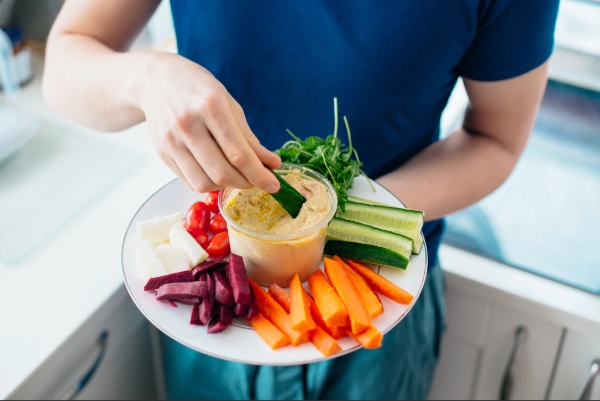
Snacks don't have to be complicated. A piece of fruit, a small tub of berries, vegetable sticks with hummus, or some sliced fruit with yoghurt can all help increase your intake.
For something different, try roasted vegetables, corn on the cob or a small salad as part of a snack or light meal.
Aim for variety, not perfection
Eating the same apple and handful of carrots every day is better than missing out altogether, but variety gives you a broader range of nutrients and keeps meals interesting.
Try choosing different colours and types of fruit and vegetables throughout the week. Think leafy greens, orange vegetables, tomatoes, berries, legumes, mushrooms, cruciferous vegetables (such as cauliflower, cabbage, bok choy and broccoli) and whatever happens to be in season.
And don't worry if you don't hit the target every single day. The aim is to build a pattern of eating that includes plenty of fruit and vegetables without making food unnecessarily complicated.
A few extra vegetables in dinner, frozen berries at breakfast, a piece of fruit for a snack and some canned beans in the pantry can all add up. With fresh, frozen and canned options to choose from, getting more fruit and vegetables into your day doesn't have to mean more work.
Sources: Eat for Health (Australian Government NHMRC), "Recommended number of serves for adults"
Better Health Channel (Victorian Government Department of Health), "Fruit and vegetables"