Make it easy for yourself
Recycling can become second nature when it’s convenient. A small bin or box placed right where you need it can make all the difference. You could put one beside the kitchen bin for bottles and cans (if you have the room) and keep another near your desk for paper — whatever works for you and makes the whole process simple.
Check labels as you go
Many tins, bottles, jars and cartons now carry easy-to-read symbols that show exactly what can be recycled. A couple of seconds spent checking can prevent contamination, which is one of the biggest problems when it comes to successful recycling. The better we sort items at home, the more effectively they can be processed later. Win-win!
Choose simpler packaging
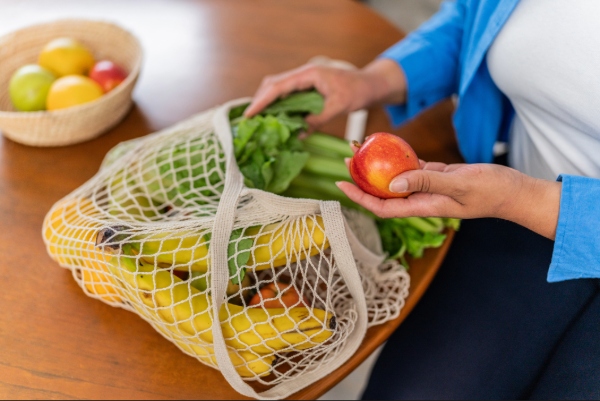
A surprisingly effective way to support recycling happens before you even leave the shops. Choosing products with minimal or easily recyclable packaging quietly reduces waste without the need for extra effort later. Loose fruit and vegetables, paper-wrapped items or brands that use straightforward, recyclable materials help you cut down on plastics and other hard-to-recycle bits and pieces. These small choices stack up over time (and could even influence how manufacturers package their products in the future).
Reuse what you can
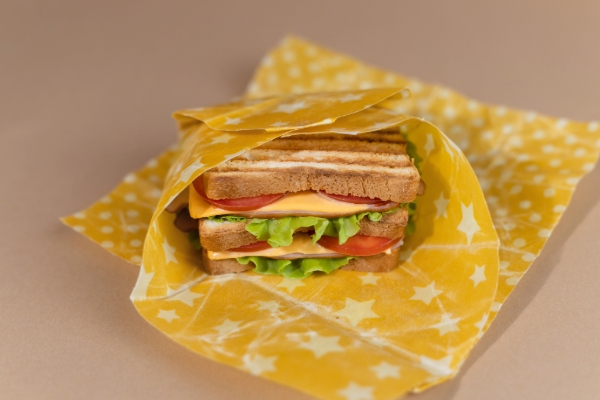
Reusing items doesn’t mean becoming a DIY expert or crafting something clever out of empty cartons. It simply means giving things another life when they’re still perfectly useful. A glass jar can hold pasta, or rice — or come in useful for many kids’ activities. Good-quality paper bags can be used again for shopping, gift wrapping or storing bits and pieces at home. Every time you use something twice, you reduce the demand for new materials and lighten the load on recycling centres.
Keep a few items out of the bin
Some things don’t belong in household recycling but can still be recycled somewhere else. Batteries, e-waste and certain household items often have dedicated drop-off points at various locations. It takes only a moment to set aside a small box or bag for these items and drop them off when you’re out and about. You can check the Recycle Right website for where to drop items that can’t be recycled in your kerbside bins.
Start with one small change
Recycling doesn’t have to be an all-or-nothing effort. Maybe start by recycling bottles and jars, or by choosing products with simpler packaging. Once that feels easy, you could add one more thing. Every little thing really does help.