Start by rethinking plastic pots
Plant pots are one of the most common sources of plastic in the garden, but they're also one of the easiest places to make a change.
For permanent plantings, consider terracotta, metal or wooden containers. They can last for many years and often look more attractive as they age. Bare-rooted plants are another good option. Available seasonally for many trees, roses and fruit plants, they are sold without pots, reducing plastic waste from the outset.
Ditch disposable plant labels
A single plastic plant tag may seem insignificant, but across an entire garden they quickly add up.
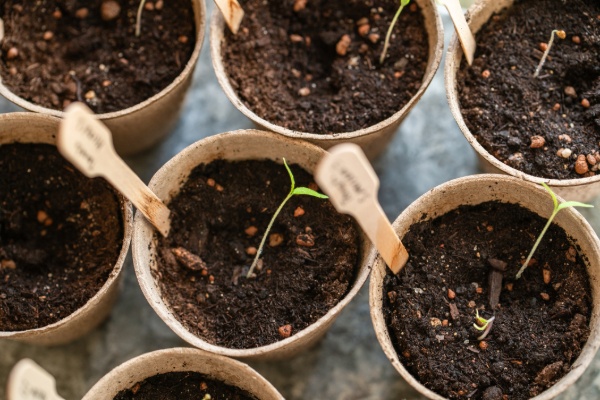
Wooden labels are an easy replacement and can be written on before being composted at the end of their life. Alternatively, get creative with upcycled materials. Old cutlery (check out your local op shop), icy pole sticks and timber offcuts all make effective plant markers.
Skip the weed mat
Plastic weed mat is often sold as a low-maintenance solution, but over time it can break down into fragments that become mixed through the soil. Many gardeners eventually find it causes more problems than it solves.
A better alternative is a thick layer of organic mulch such as sugar cane, pea straw, bark or wood chips. These materials suppress weeds while improving soil health as they break down.
For extra weed control, place several sheets of newspaper or cardboard beneath the mulch. Both materials naturally decompose, enriching the soil rather than leaving behind plastic remnants. In smaller garden beds, regular hand-weeding is often just as effective and avoids the need for synthetic barriers altogether.
Choose natural ties and supports
Plastic ties, stretchy tape and coated wire are common in vegetable patches and flower gardens, but natural materials can do the same job.
Jute twine, raffia and strips of old cotton fabric work well for securing tomatoes, beans, roses and climbing plants. They're gentle on stems and biodegradable once they've finished their job.
When staking plants, opt for bamboo canes or wooden stakes. Natural supports blend more seamlessly into the landscape and can often be reused for multiple seasons.
Water wisely and maintain what you have
Many gardeners automatically replace worn-out equipment, but extending the life of existing items is one of the most effective ways to reduce waste.
A metal watering can will last for years with proper care and is often more durable than plastic alternatives. If a hose develops a leak, repair kits can usually solve the problem without replacing the entire hose.
Installing a rainwater tank can also reduce reliance on mains water while making the most of rainfall.
Make your own compost
Commercial compost, potting mix and seed-raising blends usually come packaged in plastic bags. While these products are useful, producing your own compost can significantly reduce the number of bags you bring home each year.
Kitchen scraps, lawn clippings, autumn leaves and garden prunings can all be turned into nutrient-rich compost. Not only does this reduce packaging waste, but it also creates a free soil conditioner that improves plant health and moisture retention.
When you do need to buy potting mix, choosing the largest bag you can reasonably store often results in less plastic being used per litre than several smaller bags.
Buy plants more thoughtfully
Reducing plastic often starts before you even get home from the garden centre.
Whenever timing allows, choose seeds instead of seedlings. A small seed packet can produce dozens of plants while using only a fraction of the packaging required for trays of seedlings.
Loose bulbs and tubers are another good option, as they often come with minimal packaging. Sharing cuttings, divisions and excess seedlings with friends and neighbours also helps reduce demand for new plastic pots and punnets.
If possible, support nurseries that offer reusable trays, recycling programs or biodegradable packaging.
Avoid unnecessary plastic products
Some garden products are almost entirely plastic-based, including artificial turf, synthetic decorative features and plastic edging. Natural alternatives such as living lawns, timber edging, stone, gravel and organic mulches often look better and last longer.
Small changes make a big difference
Cutting plastic out of the garden doesn't require an overnight transformation. The most realistic approach is to swap one item at a time as things wear out, run low or need replacing.
After all, gardening is about working with nature, and reducing plastic use is one simple way to help your garden become a little greener in every sense of the word.