The short answer? They don't need to be spotless - but they do need to be empty and reasonably clean.
Why?
That's because all recyclables are collected together and sorted later. If containers still contain food scraps or liquid, they can spill onto paper and cardboard during collection and sorting. Once paper and cardboard become soaked or heavily contaminated with food, they're much harder to recycle.
"Clean" really just means empty
There's no need to scrub containers or run them through the dishwasher before recycling them.
A quick rinse or scrape is usually enough to remove leftover food or liquid.
For example:
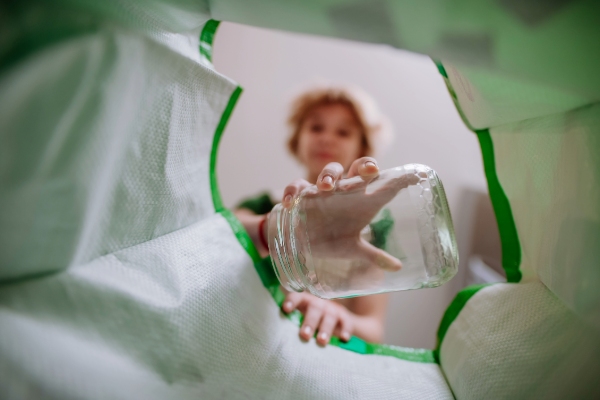
- An empty pasta sauce jar with a quick rinse is fine
- A yoghurt tub scraped out and rinsed is fine
- A soft drink bottle with liquid still inside is not
- A takeaway container half-full of food is not
The idea is simply to stop food and liquid contaminating other recyclable items in the bin.
Paper and cardboard need to stay dry
Paper and cardboard are easily recyclable - unless they become wet or covered in food.
A pizza box with a few grease marks is generally okay, but one covered in leftover cheese, sauce or food scraps belongs in general waste instead.
Flattening cardboard boxes before putting them in the bin also helps save space and makes sorting easier.
Recyclables should go into the bin loose
Another common mistake is placing recyclables inside plastic bags.
Items should go directly into the yellow-lid bin loose, not bagged. Plastic bags can interfere with the sorting process and often end up being removed as waste.
Some items still don't belong in the recycling bin
A few common household items that should stay out of the yellow lid bin include:
- Plastic bags and soft plastics
- Disposable coffee cups
- Polystyrene foam
- Batteries and e-waste
- Plastic meat trays
- Food scraps and liquids
Even though some of these items look recyclable, they can't be processed through standard household recycling systems.
Source: Recycle Right