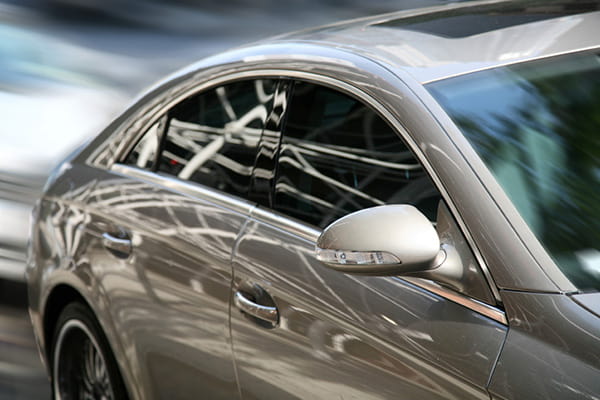
What all that sun does to your car
- Fades and cracks dashboards, seats and trim over time
- Makes plastic brittle and weakens adhesives
- Heats the inside up fast, even on milder summer days
- Lets UV radiation through the glass and onto your skin
What tinting gives you
- Less glare - spot pedestrians, cars and road signs more easily
- Less heat inside - less cranking the air-con, which is kinder on fuel consumption
- UV protection - blocks a good chunk of UV rays
- A better-looking interior for longer - less fading, less cracking
- A sharper look overall - tinted windows just look that bit sleeker!
- Extra safety - quality film helps hold glass together if it shatters
Follow the rules
Getting the darkness right matters, both for safety and for passing inspection.
- Front side windows - need to let in at least 35% of light
- Rear windows and back windscreen - can go as dark as 20%
- Front windscreen - only a strip across the top is allowed
- Reflective or mirror finishes - not allowed
- Reflectiveness - capped at 10% on any tint
If you need darker tint for medical reasons, you can apply for an exemption through the Department of Transport.
Source: Government of Western Australia, Department of Transport.
This is some text inside of a div block.