Good preparation is what gives you a smooth, long-lasting finish rather than one that chips or shows flaws. Here are some simple steps that set you up for painting success.
Move the furniture
Shift furniture to the centre of the room or, even better, out of the space altogether. This gives you room to move and lets you clearly see every wall, corner, and problem area that needs attention.
Mask and protect surfaces
Apply masking tape where the walls meet skirting boards, ceilings, and trims. Then cover your floors with drop cloths or plastic sheeting to protect them from drips and splashes.
Remove fixtures and fittings
Take down light fittings, curtains, rods, and power point covers. While taping around them can work, removing them usually results in a cleaner, more professional-looking finish.
Clean the walls
Wash the walls with sugar soap to remove dirt, grease, and grime. This helps the paint stick properly and stops marks from showing through. Once cleaned, wipe the walls with a clean cloth and allow them to dry fully.
Scrape away old paint
If you spot cracked, peeling, or bubbling paint, grab a paint scraper and remove it. Always wear safety goggles and a dust mask.
Fill cracks and holes
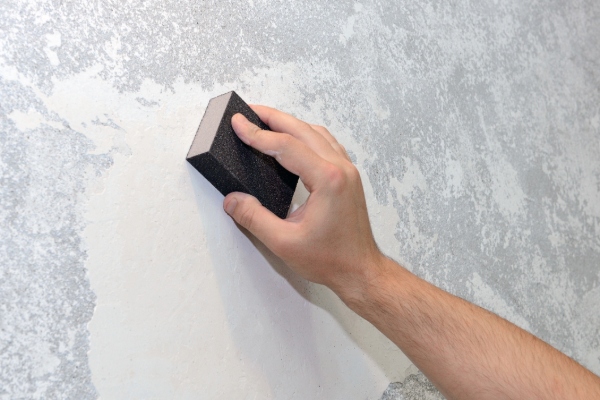
Use a wall gap filler to fill any cracks or dents. Slightly overfill the area for best results, then sand it back once dry until the surface is smooth. Goggles and a mask are a good idea here too.
Seal corner gaps
Finish off by sealing gaps in wall corners with a multi-purpose gap sealer and a caulking gun. Wipe away any excess with a damp cloth for a neat finish.
Once these steps are done, you’re ready to paint! If time, tools, or patience are in short supply, a local painting professional can handle the prep and painting for you, delivering great results without the hassle.