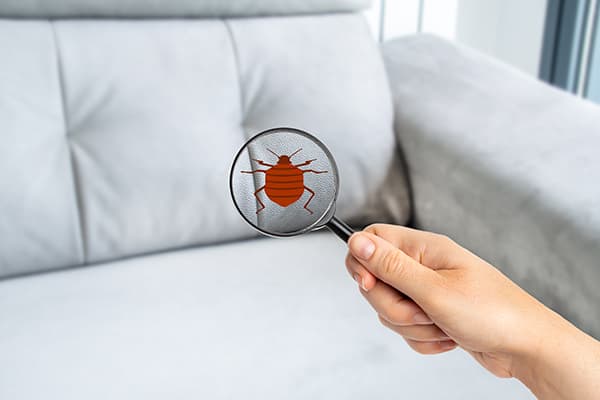
Dust mites
Dust mites are less than half a millimetre long and feed mainly on the skin flakes we shed every day. They're commonly found in bedding, carpets and upholstered furniture, particularly where dust and skin flakes accumulate. Warm, humid conditions suit them best.
Dust mites don't bite. The trouble comes from proteins in their bodies and droppings, which can trigger allergic reactions in people who are sensitive to them.
- A runny or itchy nose and itchy, watery eyes can all point to a dust mite allergy.
- Wheezing, coughing and a tight chest can follow, and dust mites are a known trigger for asthma in some people.
- Dust mite allergens can aggravate eczema symptoms in some people, although eczema has many possible triggers.
So, while the mites themselves aren't biting you, what they leave behind can still cause plenty of trouble.
Carpet beetles
Despite the name, carpet beetles aren't fussy about the floor. Adult beetles are only a few millimetres long and many feed on pollen and nectar. It's their larvae that cause the damage, feeding on materials such as wool, fur, feathers and other animal-derived fibres in carpets, clothing, blankets and furniture. If your sofa has susceptible natural-fibre upholstery, it's on the menu.
Carpet beetles vary by species, but the larvae generally prefer dark, undisturbed spots. They can also leave behind tiny hairs that may irritate the skin or cause an allergic reaction in some people.
- Adult beetles on windowsills can point to activity nearby, although they may simply have flown in from outside.
- Damaged patches or irregular holes in susceptible fabrics can be a sign that larvae have been feeding.
- The larvae are small, hairy grubs that tend to stay tucked away in dark corners, beneath furniture and around accumulated lint and debris.
They're very good at staying out of sight, which means you may notice the damage before you notice the beetles.
Bacteria
Everything that lands on a sofa doesn't necessarily stay there, but crumbs, spills, sweat, skin oils and everyday dirt can certainly build up in the fabric and seams. Microorganisms can also be transferred through contact with people and pets.
That doesn't mean your sofa is a bacterial breeding ground, but it does mean that upholstery gets its fair share of everyday grime.
- Pets can transfer dirt and microorganisms from their paws and coats.
- Food and drink spills can soak into fabric and leave residue that's hard to see once dry.
- Sweat and skin oils transfer to the upholstery wherever people sit, lie and rest their heads.
In other words, your sofa sees a lot of traffic. A little regular cleaning isn't a bad idea.
Bed bugs
Bed bugs are best known for mattresses, particularly along the stitched edges, but they'll shelter in any crack or crevice close to a potential meal. That includes sofas.
They feed on human blood, usually at night, and a sofa is particularly at risk if people sleep or nap on it. They can also arrive on luggage, clothing and second-hand furniture.
Adults are dark reddish brown, oval and about 4 to 6 millimetres long. Young bed bugs are pale before they've fed, then become redder after a blood meal.
Bed bugs don't live on people and aren't known to spread infectious diseases, although their bites can itch and an infestation can be very unpleasant to live with.
- Live bed bugs, shed skins and cream-coloured eggs about 1 millimetre long can turn up in seams, cracks and crevices.
- Dark spots on fabric or nearby surfaces may be bed bug droppings, while reddish stains can come from crushed bugs or blood.
- Bites can cause redness, swelling and itching and may appear in lines or clusters, often on exposed areas such as the arms and shoulders. However, bite patterns vary and aren't a reliable way to identify bed bugs.
- Some people have no reaction at all, while others may not notice a reaction for several days.
If you suspect bed bugs, call a licensed pest manager. Treatment can require repeat visits, depending on the extent of the infestation and the treatment used, so don't give them time to settle in.
And if you're bringing second-hand furniture home, inspect it carefully first, particularly upholstered furniture, beds and mattresses.
Ants and cockroaches
A snack in front of the TV leaves crumbs wedged in the cushions and down the sides, and ants and cockroaches are more than happy to investigate.
Cockroaches feed on food scraps and other organic material. They can contaminate food and surfaces, while their droppings and body fragments can trigger allergies and asthma symptoms in susceptible people.
- A trail of ants heading for the sofa may mean they've found a food source.
- Small, dark specks around the base or under the cushions could be cockroach droppings, although other debris can look similar.
- Live cockroaches, shed skins or egg cases around nearby cracks and crevices are stronger signs of activity.
A few crumbs don't mean you've got an infestation. Leaving food debris sitting in the sofa, however, isn't exactly helping your case.
Keeping your sofa fresh
A professional clean can help remove built-up dirt and some allergens from upholstery, depending on the fabric and cleaning method. It won't magically evict every dust mite or pest, though, so what happens between cleans matters too.
- Vacuum the sofa regularly. Get into the seams, beneath the cushions and around the base. Vacuuming can temporarily put dust mite allergens into the air. If you have a dust mite allergy, consider wearing a mask or asking someone else to do it.
- Wash throws and removable covers. Use hot water where the care label allows. Sufficiently high washing temperatures can kill dust mites (roughly 55-60°C), although they won't necessarily remove the allergens they leave behind.
- Keep humidity under control. Dust mites do best in humid conditions. Good ventilation and managing excess indoor moisture can help.
- Deal with crumbs. Brush or vacuum away any crumbs after eating rather than leaving a ready-made snack for whatever happens to find it.
- Have a look around. When you're cleaning, check beneath cushions and around the sofa frame for insects, shed skins, eggs or signs of fabric damage.
Your sofa is meant to be somewhere to flop, relax and put your feet up. With a little regular care, you can at least make sure you're not providing room service for the tiny guests.