Upper shelves - ready-to-eat foods
The top shelves of your fridge tend to have the most stable temperature, making them ideal for foods that don’t need cooking. Store leftovers, cooked meats, deli items and pre-prepared meals here.
Keeping ready-to-eat foods on higher shelves also reduces the risk of contamination from raw ingredients below. For best results, store leftovers in shallow, airtight containers so they cool quickly and are easy to reheat.
Middle shelves - dairy essentials
Middle shelves are a convenient place for everyday staples such as cheese, yoghurt and butter. The temperature here is cool but not as cold as the bottom shelf, which helps maintain the quality and texture of dairy products.
Bottom shelf - the coldest zone
The bottom shelf is your fridge’s coldest area, so this is where raw meat, poultry and fish should live. Always keep them well wrapped and ideally placed in a tray or container to catch any potential drips. This simple step helps prevent cross contamination and keeps the rest of your fridge safe.
Drawers - fruit and veg storage
The crisper drawers are designed to help control humidity, making them the ideal home for fresh produce. Use one drawer for vegetables and another for fruit, if possible, as some fruits release ethylene gas which can cause veg to spoil faster. Keep herbs in a slightly damp paper towel to extend freshness.
Door shelves - condiments and more
The fridge door is the warmest part due to frequent opening, so it’s best reserved for items that are less temperature sensitive. Think condiments, sauces, jams and pickles.
Use clear containers for visibility
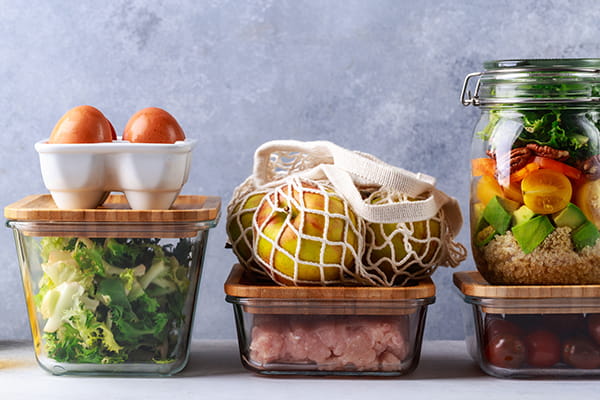
Storing leftovers in clear, glass containers means you can see what you have, so you’re far more likely to use it. Stackable containers also help maximise space and keep shelves tidy.
Create an ‘eat me first’ box
Designate a small section or container in your fridge for items that need to be used soon. This could include leftovers, slightly wilted vegetables or products nearing their best-before date. Having a visible reminder reduces food waste and makes meal planning quicker and easier.
For best food safety, keep your fridge at 4°C or below.