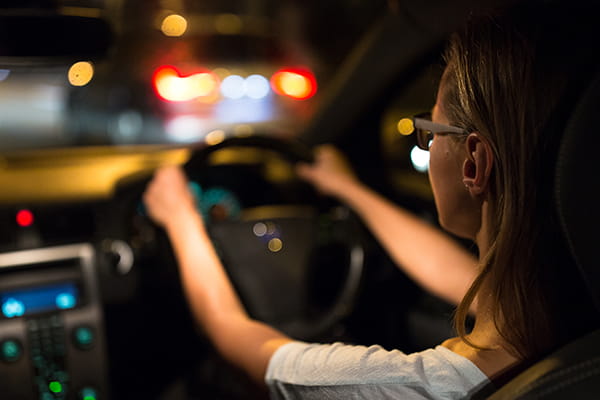
Night driving helps learners experience different road conditions and build confidence behind the wheel. With a little preparation and the right approach, those evening practice drives can be both safe and productive.
Check your vehicle before you leave
Before heading out, take a moment to check that all exterior lights are working properly. This includes headlights, taillights, brake lights and high beams. Good lighting helps you see the road clearly and allows other drivers to see you more easily, which is especially important after dark.
Keep windows and headlights clean
Grime on your windscreen or headlights can make night driving more difficult. Dirt can increase glare from streetlights and other vehicles, and cloudy headlights may reduce the brightness of your lights. Cleaning the windows and headlights before you leave can make a noticeable difference to visibility.
Use high beams carefully
High beams are helpful when driving on dark roads with little street lighting because they allow you to see further ahead. However, they can temporarily dazzle other drivers. Always dip your headlights when another vehicle is approaching or when you are following behind another car. And make sure you know the headlight rules.
Watch for headlights at bends and intersections
At night, headlights from other vehicles can often be seen before the car itself appears. When approaching bends, corners or intersections, keep an eye out for approaching headlights so you have more time to react if another vehicle is nearby.
Leave extra space between cars
Reduced visibility at night means hazards can appear with less warning. Leaving a larger gap between your car and the vehicle in front gives you more time to respond if they slow down or stop suddenly. On wet roads, allow even more space as braking distances can increase.
Avoid driving when tired
Fatigue can affect concentration and reaction times. If either the learner or supervising driver is feeling tired, it is best to postpone the drive. Staying alert is essential when practising new driving skills.
Display L plates clearly
Learner drivers in Western Australia must display L plates on the front and rear of the vehicle whenever they are driving, and they must always be supervised by a fully licensed driver. Making sure the plates are clean and clearly visible helps other road users recognise that a learner driver is on the road.
Keep distractions low
Night driving requires extra focus, particularly for learners. Keeping the car quiet and calm can help the learner concentrate. Avoid loud music or too much conversation so they can focus fully on the road and their surroundings.
Build confidence gradually
Night driving can feel unfamiliar at first. Starting on quiet streets or familiar routes can help learners gain confidence before moving on to busier roads. With practice, driving after dark becomes much easier and helps build well-rounded driving skills.
A parent's guide to their child’s driving licence
Source: transport.wa.gov.au | rac.com.au