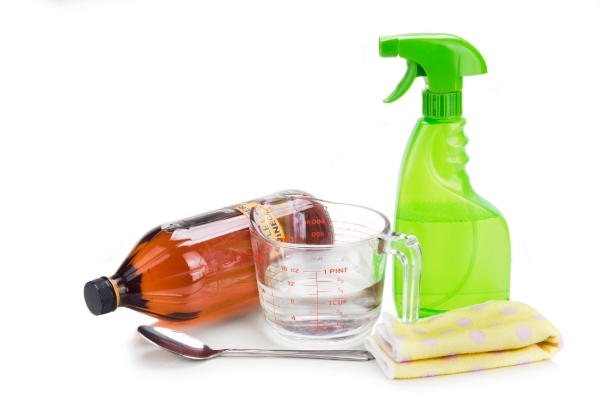
This is simple to make, easy to customise, and handy to keep in the kitchen, bathroom, and laundry. The best part is that you may already have most of the ingredients at home.
Why make your own cleaner
Store-bought sprays can be convenient, but they are not always the cheapest option, and some have strong fragrances that can linger for hours. A homemade cleaner gives you more control over what goes into the bottle, and you can mix only what you need. It is also a practical way to cut down on plastic waste if you reuse the same spray bottle.
It is worth noting that this type of cleaner is designed for general cleaning rather than disinfecting. For situations where disinfecting is needed, follow proper health and safety guidelines and use an appropriate product.
What you will need
Here is a basic recipe that works well for everyday cleaning jobs.
Ingredients
- 1 cup white vinegar
- 1 cup water
- 1 to 2 teaspoons dishwashing liquid
- A few drops of essential oil (optional)
Equipment
- 1 clean spray bottle, ideally about 500 mL
- A funnel, optional but helpful
- A label and marker
How to make it
- Pour the vinegar and water into the spray bottle.
- Add the dishwashing liquid.
- Add the essential oil if you are using it.
- Put the lid on and gently swirl the bottle to combine.
- Try not to shake it too hard, as the dishwashing liquid can foam up and create a bubbly mess.
- Label the bottle so everyone in the house knows what it is.
How to use it
Spray the cleaner onto the surface, leave it for around 10 to 20 seconds, then wipe with a clean cloth or sponge. For stickier spots, let it sit for up to a minute before wiping.
It works well on:
- Kitchen benches
- Sink surrounds
- Splashbacks
- Bathroom tiles
- Taps and handles
- Appliance exteriors
If the surface is greasy, slightly increase the amount of dishwashing liquid in your next batch rather than applying more product.
Surfaces to avoid
This cleaner is useful for many jobs, but vinegar is acidic, so it is not suitable for every surface. Avoid using it on:
- Natural stone such as marble or granite
- Waxed or oiled timber
- Cast iron
- Unsealed, deteriorating or older grout
- Aluminium, stainless steel and other metal finishes
- Some painted or varnished surfaces
- Electronic screens and display panels
If you are unsure, always test on a small hidden spot first.
Optional scent ideas
Essential oils can give your cleaner a light, fresh smell, but they are completely optional. If you prefer no fragrance, simply leave them out. Here are some fresh and fabulous combinations to try:
- Lemon and eucalyptus
- Lavender and tea tree
- Orange and peppermint
Stick to a small amount, as a little essential oil goes a long way. If you have pets, especially cats, or anyone with sensitive skin in your household, consider skipping essential oils altogether. If you do use them, avoid spraying directly near food preparation areas unless you rinse the surface afterwards.
For tougher mess without mixing chemicals
For soap scum or stubborn grime, bicarbonate of soda can be useful, but it works best when used separately rather than mixed and stored with vinegar. You can make a simple paste with bicarbonate of soda and a little water, apply it to the area, then scrub gently.
If needed, rinse the area and follow with the vinegar cleaner. This works better than combining them in the bottle, because vinegar and bicarbonate of soda neutralise each other and reduce cleaning power. Do not store this combination in a closed spray bottle, as the reaction can create pressure.
What not to clean with sodium bicarb
Handy tips for better results
Use a microfibre cloth for a streak-free finish. Keep one bottle in the kitchen and one in the bathroom so it is always within reach. Make a fresh batch every two to four weeks for the best smell and performance. If it looks cloudy or smells off, discard it and mix a new batch.
Store it out of direct sunlight and keep it out of reach of children and pets.
Common mistakes to avoid
Using too much dishwashing liquid can leave a film behind and make surfaces look cloudy, so start with a small amount and adjust if needed. Never mix vinegar with bleach, as this creates dangerous fumes. Never mix homemade cleaners with commercial products unless the label says it is safe.
Avoid flimsy spray bottles that can leak or clog and choose a sturdy reusable bottle instead. Always label the bottle clearly.
Making your own all-purpose cleaner is a simple swap that feels worthwhile straight away. It is quick to mix, gentle on your budget, and useful for tackling the everyday cleaning jobs that come up around the house.