A helpful way to think about FOGO is:
- If it grows, it goes
- If it didn’t live, it doesn’t belong
This simple rule is commonly used across WA to make sorting easier and reduce contamination – though it mainly applies to food and garden waste, not things like treated timber or packaged items.
What you can put in your FOGO bin
FOGO bins are designed to accept a wide range of organic waste – often more than people expect.
Food scraps
Most food waste is accepted, including:
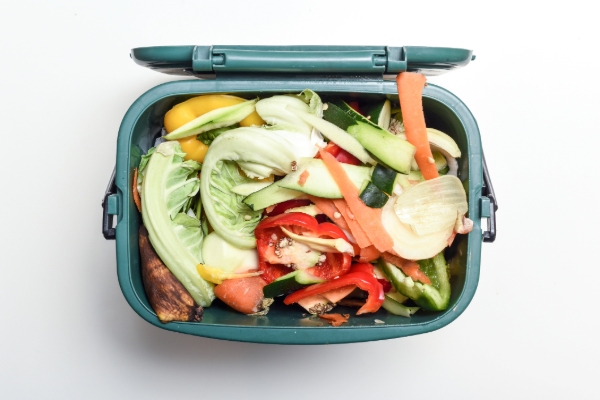
- Fruit and vegetable scraps such as peels, cores and offcuts
- Meat, bones and seafood, whether raw or cooked
- Dairy products like cheese and yoghurt
- Leftovers and plate scrapings
- Bread, pasta and grains
- Eggshells
- Coffee grounds and tea leaves
This is one of the key differences between FOGO and home composting – items such as meat and dairy are accepted in commercial FOGO systems used across Perth.
Garden waste
Many garden materials can go straight into the FOGO bin, including:
- Grass clippings
- Leaves and small branches
- Weeds and plant cuttings
- Flowers and prunings
Compostable liners and small paper items
To make kitchen sorting easier, most Perth councils allow:
- Certified compostable kitchen caddy liners that meet Australian Standard AS4736 (look for the seedling logo)
- Small amounts of paper towel, napkins or tissues
Only compostable liners are accepted. While some products may be labelled ‘compostable’ or ‘biodegradable’, acceptance of packaging, cups or cutlery can vary between councils, so it’s best to check your local guidelines.
What should NOT go in your FOGO bin
Even small mistakes can contaminate an entire load of organic waste, so it’s important to keep these items out.
Plastics and packaging
- Plastic bags or wrapping
- “Biodegradable” or degradable plastics
Household materials
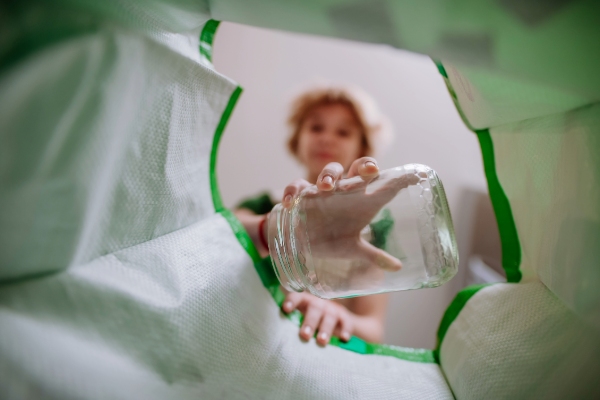
- Glass
- Metal or aluminium
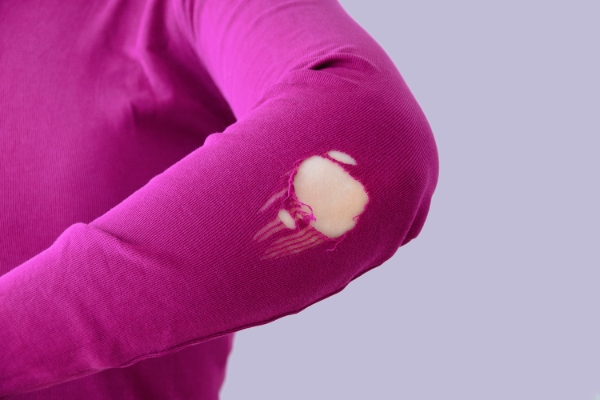
- Clothing or textiles
- General rubbish
Hazardous or electronic items
- Batteries
- E-waste
- Aerosol cans or gas bottles
Bagged waste
- Any materials placed inside non-compostable bags
A good habit is to remove food from its packaging and place it loose in the FOGO bin, then dispose of the packaging in the correct recycling or general waste bin.
A quick reality check – common mix-ups
Here’s a simple guide to items that often cause confusion:
- Yes – leftover takeaway food with all packaging removed
- Yes – meat, bones and seafood
- Yes – garden clippings and weeds
- No – plastic liners or bags
- No – glass jars or containers
- No – nappies or hygiene products
Why it matters
Food and garden waste make up a large portion of household rubbish and keeping it out of landfill helps reduce greenhouse gas emissions. Instead, this material is turned into nutrient-rich compost used in parks, gardens and agriculture. Getting it right at home helps the whole system work better.
Final tip
If you’re unsure, pause and ask yourself:
- Did it grow?
- Was it once alive?
If the answer is yes, and it’s not wrapped in plastic or mixed with other materials, your FOGO bin is likely the right place for it.
Many Perth metro councils now use a similar FOGO system, though accepted items can still vary slightly by council, so it’s always worth checking your local council’s guidelines if you’re unsure.
The idea behind FOGO is refreshingly simple – if it once lived or grew, there’s a good chance it belongs in the FOGO bin.
Sources
- wasteauthority.wa.gov.au
- wastesorted.wa.gov.au
- recycleright.wa.gov.au