Start with the wash
How you handle clothes in the washing machine makes a surprising difference. Avoid overloading the drum, as crammed clothes twist more tightly and come out heavily creased. Choosing a gentler spin cycle can also help reduce deep-set wrinkles, especially for cotton and linen.
As soon as the cycle finishes, take the clothes out. Letting them sit in a damp pile is one of the biggest culprits for stubborn creasing. Give each item a quick shake before hanging or drying. This simple move loosens fibres and smooths out many wrinkles before they settle in.
Dry with care
Drying is your next opportunity to cut ironing time.
- If you're using a tumble dryer, don't overfill it as clothes need room to move freely.
- Adding a damp cloth or using a steam or wrinkle-release setting can soften creases while drying.
- Remove garments while they're still slightly warm and hang them immediately; the residual heat can help to relax any remaining wrinkles.
If you prefer air-drying, hang items carefully on hangers or a line, smoothing seams, collars and hems with your hands. Shirts, dresses and trousers dry into a much neater shape when positioned properly, meaning less work later.
Prep your ironing space
A well-prepared space can make ironing feel far less like a slog. Make sure your ironing board is stable, clean and set to a comfortable height so you're not hunched over. Fill your iron with clean water if it has a steam function and check that the baseplate is free from residue.
Organise your garments before you start, grouping them by fabric type. This lets you iron from the lowest temperature to the highest without constant adjustments, saving both time and effort.
Prioritise the right order
When ironing, it helps to follow a consistent order. For shirts, begin with smaller, structured areas like collars and cuffs, then move to sleeves, shoulders and finally the body. This approach prevents re-creasing sections you've already ironed.
For larger items such as bed linen or tablecloths, fold them neatly as you go so you're only ironing manageable sections.
Use steam to your advantage
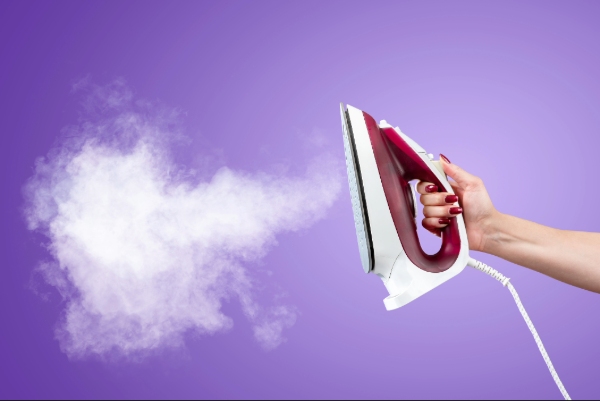
Steam is one of the most effective tools for tackling wrinkles quickly. A good burst of steam relaxes fabric fibres so they can be smoothed out with minimal effort. Keep the iron moving steadily, don't press too hard and let the heat and steam do the work.
For particularly stubborn wrinkles, use a light mist of water or the iron's spray function before steaming. Some fabrics, especially cotton and linen, do well with this extra bit of moisture.
Try the hang-and-steam method
Not every item needs a full ironing session. For lightly wrinkled clothes, hanging them in a steamy bathroom after a shower can work wonders. The warm, moist air helps ease out creases, especially on delicate fabrics.
A handheld garment steamer can take this a step further, offering a quick, upright alternative to traditional ironing. It's especially handy for refreshing clothes in a hurry or smoothing garments that are tricky to lay flat.
Fold or hang immediately
Hang or fold clothes straight away to keep them smooth. Shirts and dresses should go directly onto hangers, while folded items should be stacked neatly to prevent new creases forming.
This small habit makes a noticeable difference, especially if you're ironing several pieces at once.
Choose fabrics wisely
If you're looking to reduce ironing altogether, fabric choice matters. Blends and wrinkle-resistant materials tend to hold their shape better than pure cotton or linen. While natural fibres are lovely to wear, having a few easy-care pieces in your wardrobe can save time.
By tackling wrinkles at every stage, you can get through it faster and with better results.