What is the ARL?
The Australasian Recycling Label - or ARL - is a labelling system for Australia and New Zealand that puts clear, easy-to-read recycling information right on the packaging. The goal is simple: less confusion, less contamination, and more of the right stuff making it into the recycling stream.
It was developed by the Australian Packaging Covenant Organisation in partnership with Planet Ark and PREP Design, and it now appears on tens of thousands of products across Australia, including plenty of familiar household brands.
Three labels, three clear answers
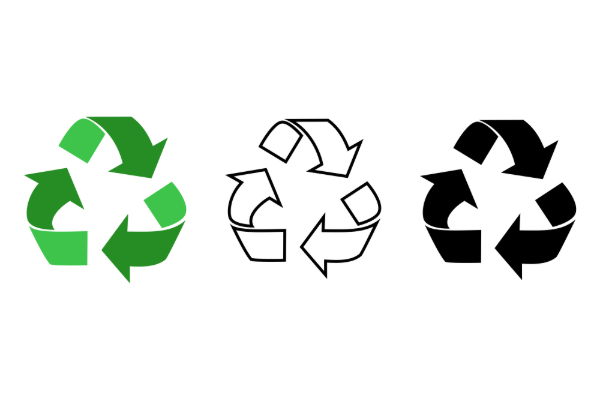
The ARL uses three straightforward symbols.
A solid-coloured recycling symbol means the packaging can go straight into your kerbside recycling bin, no fuss.
A clear or transparent recycling symbol means the item is conditionally recyclable - just follow the instructions shown on the pack, such as returning it to a participating store. If you can't do that, it goes in the general waste bin.
A bin symbol means the packaging isn't recyclable and belongs in general waste.
One product can carry more than one ARL symbol, because different parts of the same pack - the lid, the tray, the wrapper - can each have different disposal requirements.
Why it's different from other recycling symbols
There's no shortage of recycling symbols out there, but the ARL stands apart as the only evidence-based labelling system on the market. Every label is backed by an assessment through the Packaging Recyclability Evaluation Portal (PREP) - without that assessment, a product simply can't carry the ARL.
PREP looks at a package's shape, weight, size, inks, adhesives, materials and more, simulating how it will perform in the Australian and New Zealand recycling system - right through from your kerbside bin to sorting facilities and processing plants.
A product can only be labelled as recyclable if more than 80% of the population has access to kerbside recycling for that item. If coverage sits between 60-80%, the label will say "check locally." Below 60%, it's marked as not recyclable.
Why it matters
Putting the wrong things in the recycling bin doesn't just have no effect - it can contaminate entire loads of otherwise recyclable material, which can send the whole lot to landfill. Getting it right means more material gets diverted, more of it gets made into new products, and recycling streams stay cleaner overall.
Since launching in 2018, more than 800 organisations have joined the ARL program, with over 255,000 product lines carrying the label across Australia and New Zealand. Awareness has grown by 60% over four years, and three in four Australians now recognise it.
Handy tools to help
Recycling rules vary from council to council, so it's worth knowing your local guidelines alongside the ARL. The free Recycle Mate app lets you scan an item to find out exactly how to recycle it in your area, using AI to match items with local recycling options. It's Australia's first community-driven recycling app.
Planet Ark's Recycling Near You is another useful resource for items that can't go in the kerbside bin - things like mattresses and paint - and can point you to the right option wherever you are in Australia.
Sources: DCCEEW; Packagingcovenant; Pmcsa; Clean Up Australia