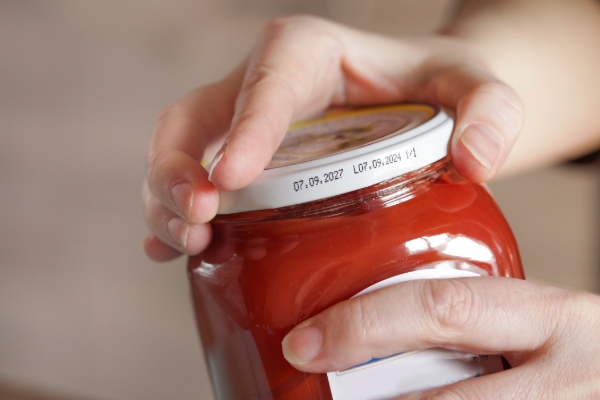
‘Use‑by’ dates are a food safety requirement
A ‘use‑by’ date tells you the last day a food is safe to eat, as long as it’s been stored correctly. After that date, the food could make you sick — even if it looks and smells fine.
‘Use‑by’ dates are required on foods that spoil quickly or can support harmful bacteria.
These include:
- Milk and cream
- Packaged meat, poultry and seafood
- Fresh, ready‑made meals
- Pre‑cut salads and fruit
- Cold‑pressed juices
- Soft cheeses such as brie, fetta, camembert and ricotta
You can eat food on its ‘use‑by’ date, but not after. If you freeze it before that date, it’s still safe to eat once defrosted — but only if it’s been stored properly.
Shops are not allowed to sell food past its ‘use‑by’ date.
‘Best before’ dates are a guide for quality
A ‘best before’ date tells you how long a food is likely to stay in top condition — its flavour, texture or nutrients might start to decline after this point, but it’s usually still safe to eat. Its nutritional value may also decline once it’s past its ‘best before’ date.
You’ll see ‘best before’ dates on foods such as:
- Bread and biscuits
- Canned food and bottled sauces
- Long‑life milk and plant‑based drinks
- Pasta, rice and flour
- Dried fruit and nuts
- Hard cheeses like cheddar or parmesan
- Eggs
As long as the packaging is intact and the food’s been stored properly, it’s fine to eat food after the best before date. Retailers can legally sell these items too — it’s your call whether you buy them.
Foods with exceptions
FSANZ says foods that have a shelf life of two years or longer (for example, some canned foods) do not need to be labelled with a best‑before date.
This is because it is difficult to give the consumer an accurate guide as to how long these foods will keep, as they may retain their quality for many years and are likely to be consumed well before they spoil.
Packaged fruit and vegetables are also not required to display a date mark as long as the nature or quality of the food is not obscured by the packaging, FSANZ says.
Bread is another exception — it can be labelled with a 'baked on' or 'baked for' date if its shelf life is less than seven days.
Foods that don’t need a date
Some foods don’t legally require a ‘use‑by’ or ‘best before’ date.
These include:
- Whole, uncut fresh fruit and vegetables – storage is important to ensure they last as long as possible.
- Salt, sugar and vinegar
- Chewing gum
- Alcoholic drinks with more than 10% alcohol
- Small single‑serve packs (like lollies or herbs under 100g)
- Bread baked and sold on the same day
If there’s no date, it usually means the food either won’t spoil quickly or is expected to be eaten soon after purchase.