Puppy-proof your home
Puppies don’t see danger – they see opportunity. Look at your home from their level:
- Cords and chargers – tape them down or lift them out of reach to prevent chewing.
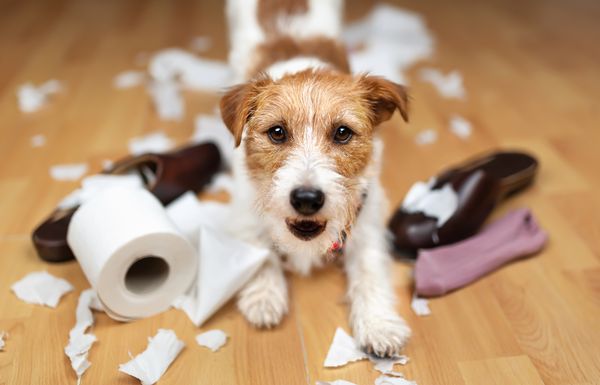
- Shoes and laundry – keep them behind closed doors unless you want them redesigned with tooth marks.
- Small objects – anything that can be swallowed (coins, hair ties, Lego) should be picked up.
- Bins and food scraps – invest in lidded bins or put them somewhere secure.
It’s about making the environment safe while saving your belongings from destruction.
Set up a safe space
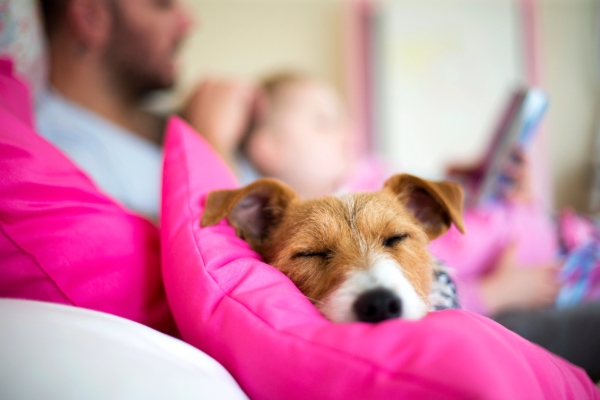
A calm retreat helps your puppy settle. A crate or pen with a bed, soft blanket and a couple of toys creates a den-like atmosphere. This space becomes:
- A secure spot for naps and downtime
- A useful tool for toilet training
- A safe area when you can’t supervise closely
Place it somewhere quiet but not isolated – puppies like to be near their people.
Get the basics ready
Stocking up in advance avoids stress on day one. Essentials include:
- Puppy food recommended by the breeder or shelter
- Food and water bowls
- Collar, ID tag and lead
- A variety of chew toys (teething is no joke)
- Puppy pads or an outdoor toilet plan
- Grooming tools such as a brush and nail clippers
Think of it as your starter kit for puppy parenting.
Toilet training (oops)
Consistency is the golden rule. Take your puppy outside frequently – after meals, naps and play. Stay with them until they’ve finished and praise them immediately. Accidents will happen, so clean thoroughly to remove scents that may encourage repeat performances. Be patient – it can take weeks before things fully click.
Socialising and introductions
The first months are critical for social development. Once your vet gives the all-clear, gradually expose your puppy to:
- Different people, including children and visitors
- Everyday noises like the vacuum cleaner, traffic or the washing machine
- Other dogs and pets in safe, controlled settings
Go slowly, keep experiences positive, and don’t overload them all at once.
Prepare your outdoor areas
The backyard can be as full of hazards as the lounge room. Check for:
- Fencing – secure gaps to prevent escape.
- Toxic plants – remove things like azaleas, lilies or oleander.
- Garden chemicals – store fertilisers and sprays well out of reach.
- Shade and water – make sure there’s a cool spot and fresh water available.
This way, your puppy can explore safely without constant worry.
Expect challenges
Even with preparation, your puppy will surprise you. They may chew the corner of a coffee table, dig up a favourite plant, or zoom around the house at midnight. Stay consistent with training, redirect unwanted behaviour, and remember – these early months fly by!
For more information visit RSPCA Puppies Knowledge Base