Start with the ingredient list, not the front of the pack
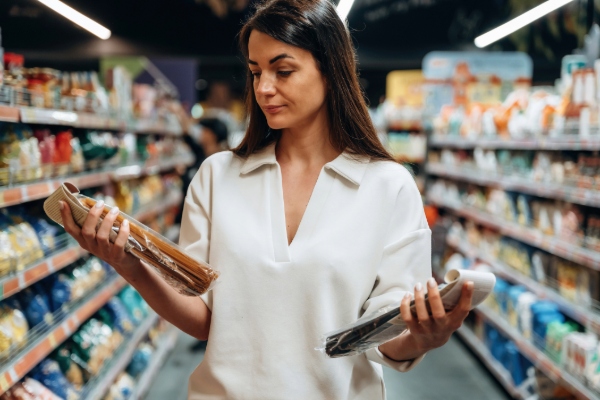
Words like "natural", "no added sugar" or "no added cane sugar" on the front of a packet don't always tell the whole story. The ingredient list and nutrition panel are usually much more useful when you're trying to work out how much sugar a product contains.
- Ingredients are listed in order of quantity, from most to least.
- If one or more forms of sugar appear among the first few ingredients, it often indicates the product contains a significant amount of added sugar.
- Some manufacturers use several different sweeteners in the same product, which can make the overall sugar content less obvious at a glance.
Names that mean sugar, even without the word "sugar"
Manufacturers use a wide range of alternative names for sugar, some of which sound more natural or wholesome than plain white sugar.
- Ingredients ending in "-ose", such as glucose, fructose, sucrose, dextrose and maltose.
- Syrups, including corn syrup, golden syrup, rice malt syrup, maple syrup and glucose syrup.
- Natural-sounding sweeteners such as honey, agave nectar, coconut sugar, coconut nectar and date syrup.
- Juice-based sweeteners, including fruit juice concentrate.
- Malt-based ingredients such as barley malt and malt extract.
Lactose is also a sugar, but it occurs naturally in milk and dairy products rather than being added during processing, so its presence on a label isn't a warning sign in the way the ingredients above are.
One ingredient worth noting is maltodextrin. It isn't technically classified as a sugar, so it won't appear in the sugar count on a nutrition panel, but it has a higher glycaemic index than table sugar and can raise blood glucose levels faster.
Most of the sweeteners listed above are nutritionally similar to table sugar and contribute to your overall sugar intake. While some contain small amounts of minerals or other compounds, they're best thought of as different forms of sugar rather than healthier alternatives.
Where hidden sugar tends to turn up
Some products are obvious. Others fly under the radar because they're marketed as everyday staples rather than treats.
- Breakfast cereals and muesli bars, especially those marketed as "natural" or "wholegrain".
- Flavoured yoghurts and dairy snacks.
- Pasta sauces, marinades and salad dressings.
- Some breads, including certain wholemeal, multigrain and commercial sandwich loaves, may contain added sugar, so it's worth comparing labels.
- Bliss balls, protein bars and other snacks marketed as healthier alternatives.
A few practical habits
None of this means cutting favourite foods out entirely. It's more about knowing what you're putting in your trolley.
- Compare a few brands of the same product, as sugar content can vary widely between similar items.
- Be wary of products that list multiple sweeteners rather than a single source of sugar, as this can make the total amount less obvious.
- Choose plain versions of staples such as yoghurt, oats and cereal where possible, then add your own flavour at home.
- Keep an eye on condiments and sauces, which often contain more sugar than people expect.
Reading labels gets faster with practice, and it doesn't need to turn grocery shopping into a chore. A quick glance at the ingredient list and nutrition panel is often all it takes to make a more informed choice.