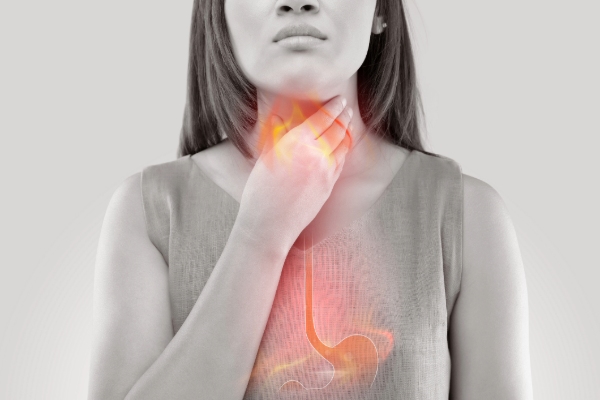
While occasional reflux is common, recurring symptoms can affect everything from enjoying your food to affecting the quality of your sleep. The good news is that many common triggers are linked to everyday habits that can often be helped with just a few simple changes.
Bigger meals may cause bigger problems
It's tempting to load up your plate when you're hungry, but eating large meals can put extra pressure on your stomach. When the stomach is overly full, acid is more likely to move upwards into the oesophagus, leading to that familiar burning sensation.
Eating more slowly and stopping when comfortably full may help reduce the likelihood of symptoms.
For some people, simply reducing portion sizes can help minimise discomfort without having to overhaul their entire diet.
The impact of late-night eating
Even when dinner is over, your digestive system is still hard at work. Lying down shortly after eating removes the advantage of gravity, making it easier for stomach contents to travel in the wrong direction.
This is one reason reflux symptoms often seem worse in the evening or during the night.
Foods that don't always play nicely
Not everyone reacts to the same foods, but certain items are commonly associated with reflux.
Rather than eliminating everything at once, it can be helpful to pay attention to patterns and identify your own personal triggers.
Common examples include:
- Fried and fatty foods
- Spicy meals
- Chocolate
- Coffee and other caffeinated drinks
- Alcohol
- Carbonated drinks
Keeping an eye on when symptoms occur can help identify whether a particular food is contributing to the problem.
Excess weight can add pressure
Carrying extra weight around the abdomen may increase pressure on the stomach, making reflux more likely. For some people, even modest weight loss may lead to noticeable improvements in symptoms.
Why smoking can make reflux worse
Smoking affects more than just the lungs. It can weaken the muscle that helps keep stomach acid where it belongs. As a result, reflux symptoms may occur more often or become more severe.
Reducing or quitting smoking can have positive effects on both digestive health and general health.
This is one of the many reasons healthcare professionals encourage people to quit smoking whenever possible.
Stress may play a role
Stress isn't considered a direct cause of reflux, but it can make symptoms feel worse and may influence behaviours that trigger discomfort, such as overeating, eating too quickly or reaching for less nutritious food choices.
Finding ways to manage stress can be beneficial for both your mind and body.
Small changes can go a long way
There isn't a one-size-fits-all solution for reflux, but a few practical habits can often help keep symptoms under control:
- Eat smaller meals rather than large portions.
- Avoid lying down for at least two to three hours after eating.
- Identify and limit foods that trigger symptoms.
- Maintain a healthy weight.
- Stay active with regular exercise.
- Avoid smoking.
- Consider raising the head of the bed if reflux is worse at night.
Knowing when to seek advice
Occasional reflux is common, but frequent symptoms shouldn't be ignored. If reflux occurs regularly, interferes with daily life, causes difficulty swallowing or is accompanied by unexplained weight loss, it's important to speak with a healthcare professional.
Sources:
If you intend to take any action or inaction based on this information, it is recommended that you obtain your own professional advice based on your specific circumstances.